


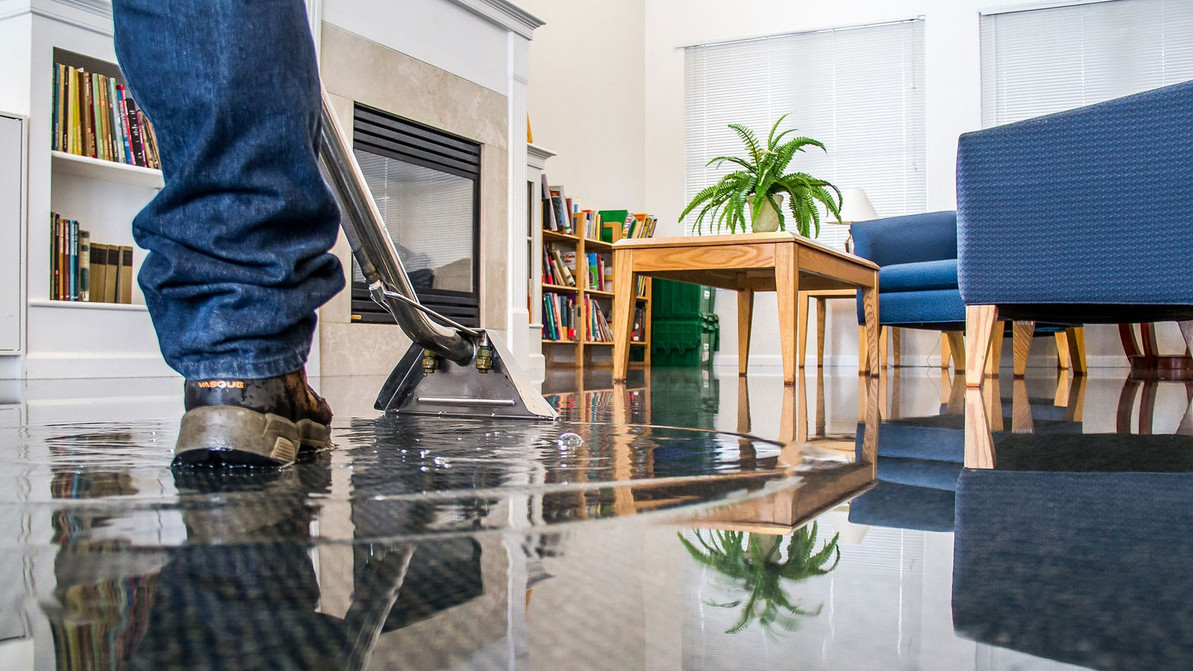
Water damage can strike at any time, whether from natural disasters, plumbing failures, or appliance leaks. When it happens, acting quickly is essential to minimize damage and restore your property efficiently. In this complete guide, we’ll walk you through the water restoration process, from identifying damage to professional repair solutions.
Understanding Water Damage Categories
Water damage is classified into three main categories based on contamination levels:
- Category 1 (Clean Water): Comes from sanitary sources like broken supply pipes or rainwater. It poses no immediate health risks.
- Category 2 (Gray Water): Contains contaminants from appliances like washing machines, dishwashers, or sinks. It can cause illness if ingested.
- Category 3 (Black Water): Highly contaminated water from sewage backups, flooding, or stagnant sources. It poses severe health hazards and requires professional handling.
Identifying the Severity of Water Damage
Water damage is also classified into four classes based on absorption levels and affected materials:
- Class 1: Minimal damage with low absorption, usually confined to a small area.
- Class 2: Water has affected carpets, furniture, and walls, requiring drying techniques.
- Class 3: Water has saturated ceilings, walls, insulation, and flooring, needing extensive repairs.
- Class 4: Water has deeply penetrated materials like concrete, brick, and hardwood, requiring specialized drying techniques.
Steps in the Water Restoration Process
1. Ensuring Safety First
Before addressing water damage, take safety precautions:
- Turn off electrical power in affected areas to prevent electrocution.
- Wear protective gear such as gloves and masks.
- Check for structural damage that could pose a collapse risk.
2. Stopping the Source of Water
Identify and stop the source of water to prevent further damage. This may involve:
- Shutting off the main water supply if a pipe bursts.
- Repairing leaking appliances or plumbing.
- Sealing roof or foundation leaks temporarily until professional repairs are made.
3. Water Extraction and Removal
Quickly removing standing water is essential to prevent further damage. Use:
- Wet vacuums or pumps for large water volumes.
- Mops and towels for smaller spills.
- Professional-grade extractors for severe flooding.
4. Drying and Dehumidification
Once standing water is removed, drying begins to prevent mold growth. Effective drying methods include:
- Using air movers and industrial fans to increase airflow.
- Deploying dehumidifiers to remove excess moisture.
- Opening windows and doors to allow natural ventilation.
- Removing and replacing soaked carpets or drywall if necessary.
5. Mold Prevention and Sanitization
Mold can develop within 24-48 hours of water exposure. To prevent mold:
- Disinfect affected surfaces with antimicrobial treatments.
- Remove porous materials like insulation and drywall if contaminated.
- Use HEPA air scrubbers to remove airborne mold spores.
6. Repair and Restoration
After drying, restoration work begins. This may include:
- Repairing or replacing damaged drywall, flooring, and insulation.
- Restoring electrical and plumbing systems if affected.
- Applying fresh paint and refinishing surfaces.
When to Hire a Professional Restoration Service
While minor water damage can sometimes be handled on your own, professional help is necessary in cases of:
- Large-scale flooding that affects multiple rooms.
- Exposure to gray or black water carries health risks.
- Structural damage that weakens walls, floors, or ceilings.
- Persistent mold growth that requires specialized removal.
Professional restoration companies use advanced equipment like moisture meters, infrared cameras, and industrial drying systems to ensure a thorough restoration. If you’re looking for a Water Restoration Complete Guide, professional services can provide the expertise and tools needed to restore your home efficiently while preventing future damage.
Preventing Future Water Damage
Taking preventive measures can help minimize the risk of future water damage. Consider these tips:
- Regularly inspect and maintain plumbing systems for leaks.
- Clean gutters and downspouts to direct water away from the foundation.
- Install sump pumps and backflow prevention valves in flood-prone areas.
- Ensure proper ventilation in moisture-prone spaces like bathrooms and basements.
Conclusion
Water damage restoration requires quick action, the right tools, and a structured approach. Whether you handle minor damage yourself or hire professionals for major restoration, understanding the process helps protect your home and belongings. By following proper cleanup and prevention techniques, you can minimize future risks and maintain a safe living environment.
Apart from that if you want to know about “Top 5 Causes of Water Damage and How Restoration Experts Fix Them” then please visit our Home improvement Category.
