


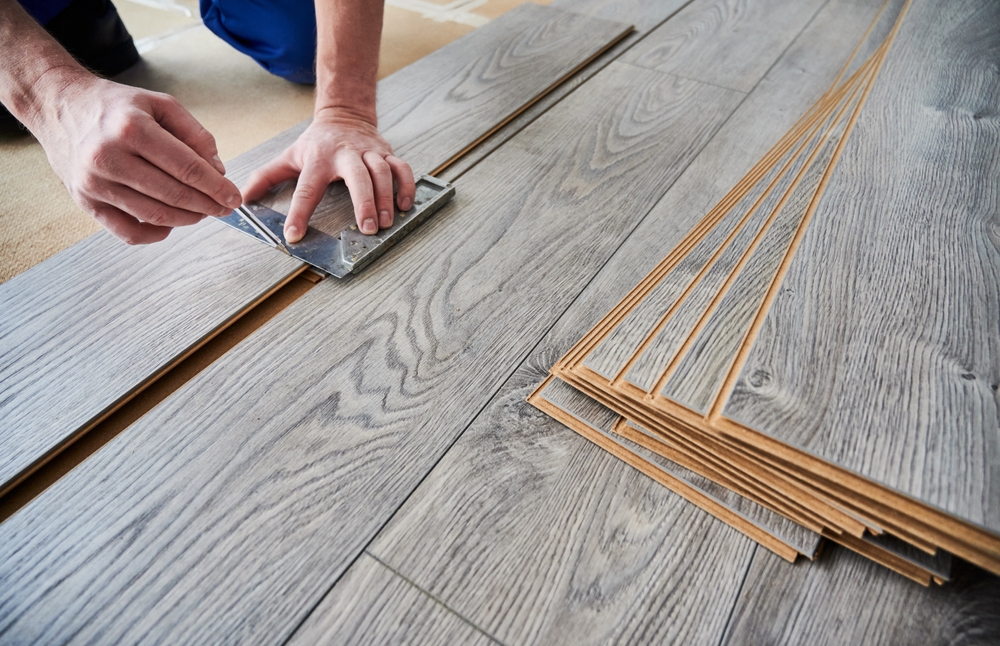
Most homeowners start a flooring project by choosing a material. They compare luxury vinyl plank, hardwood, laminate, or tile, look at colors, request samples, and think about how everything will look once the furniture is back in place.
What often gets overlooked is the installation itself.
After working on homes throughout the Tampa area, we’ve seen expensive flooring products fail long before they should—not because the materials were defective, but because the installation process skipped important steps. Uneven concrete, hidden moisture, poor expansion planning, or rushed preparation can all shorten the life of a new floor.
The truth is simple: even premium flooring is only as good as the surface underneath it and the craftsmanship behind the installation.
That’s why experienced contractors spend far more time inspecting, preparing, and measuring than most homeowners ever expect.
Every Home Starts With a Different Floor
No two houses are exactly alike.
One home may have a perfectly flat concrete slab that’s ready for installation after a thorough cleaning. The next house, built just a few streets away, may have low spots, high spots, leftover adhesive from previous flooring, or moisture issues hidden beneath old materials.
Florida homes create their own unique challenges as well.
Concrete slabs naturally absorb moisture over time, seasonal humidity changes affect expansion, and many older homes have gone through multiple renovations over the years. It’s common to remove one floor only to discover layers of old adhesive, cracked patches, uneven repairs, or damaged subfloors that need attention before anything new can be installed.
This is why experienced flooring installers never promise an installation timeline before evaluating what’s actually underneath the existing floor.
Sometimes preparation takes longer than laying the new flooring itself.
Preparation Determines How Long Your Floor Will Last
Many installation problems don’t appear immediately.
A floor can look beautiful on the day it’s completed, but begin showing problems several months later if the preparation wasn’t done correctly.
We’ve seen situations where homeowners thought they purchased poor-quality flooring when the real issue was an uneven slab that caused movement between planks. In other cases, hollow sounds under tile were traced back to inadequate substrate preparation rather than defective materials.
Professional preparation often includes:
- Removing old flooring completely
- Grinding away the remaining thinset or adhesive
- Repairing cracks where appropriate
- Leveling uneven concrete
- Checking moisture conditions
- Cleaning the substrate thoroughly
- Confirming the surface meets the manufacturer’s tolerances
These aren’t the most exciting parts of a flooring project, but they’re usually the reason one floor lasts for decades while another develops problems much sooner.
Why Experience Changes the Entire Installation Process
One of the biggest differences between an experienced installer and someone who’s simply putting flooring down is knowing how to solve problems before they become expensive.
For example, a slight dip in the concrete might not seem like a big deal when you’re standing in an empty room. But once luxury vinyl plank is installed, that same low spot can allow movement between planks, create clicking sounds, or eventually lead to locking-system failure. Tile has even less tolerance for uneven surfaces, making proper preparation even more important.
An experienced installer is constantly asking questions throughout the project:
- Is the slab flat enough for this flooring?
- Does the moisture level require additional protection?
- Will door clearances change after installation?
- Should transitions be adjusted?
- Are there signs of previous water damage?
- Is the chosen flooring the best option for this room?
These decisions rarely appear on a finished invoice, yet they’re often what determines whether the floor still looks great ten or fifteen years later.
Florida Homes Require a Different Approach
Installing flooring in Florida isn’t the same as installing flooring in many other parts of the country.
High humidity, concrete slab construction, sudden weather changes, and occasional moisture intrusion all influence how flooring performs over time. Products that work well in one climate may require additional preparation or moisture testing here.
That’s why experienced local contractors pay close attention to the conditions inside each home rather than following the same installation routine every time.
A bathroom renovation, for example, may involve evaluating waterproofing details before any tile work begins. A living room may require concrete grinding to remove old adhesive. A newly purchased home may need floor leveling before luxury vinyl plank can even be considered.
Every project starts with understanding the structure beneath the finished floor—not just choosing a beautiful material.
Good Flooring Isn’t Just About Appearance
Homeowners naturally focus on how the finished floor will look, but professionals tend to think about how it will perform years from now.
A properly installed floor should feel solid underfoot, remain quiet while walking across it, maintain consistent joints, and continue looking the way it did shortly after installation. Achieving that level of durability requires careful planning, quality materials, and attention to details that most people never see once the project is complete.
That’s one reason many homeowners specifically look for an experienced flooring contractor in Tampa rather than simply searching for someone who offers the lowest estimate. The goal isn’t only to install new flooring—it’s to install it in a way that minimizes future problems and protects the homeowner’s investment.
Choosing the Right Flooring Is Only Half the Decision
Homeowners often spend weeks comparing flooring products, but only a few minutes discussing how those materials will actually be installed. In reality, the installation process has just as much influence on long-term performance as the flooring itself.
Luxury vinyl plank may be an excellent choice for one home but not another if the concrete isn’t properly prepared. Hardwood requires careful attention to moisture conditions before installation. Tile needs a stable, flat substrate to prevent cracked grout joints or loose tiles later on.
A professional installation begins by matching the flooring material to the conditions of the home—not by forcing every project into the same process.
Communication Prevents Surprises
Another sign of a professional flooring contractor is clear communication before work begins.
Homeowners should understand:
- What preparation may be required after demolition,
- whether additional floor leveling could become necessary,
- how long the project is expected to take,
- What furniture or appliances need to be moved,
- and what to expect during each stage of the installation.
Unexpected conditions can always appear once old flooring is removed, especially in older Florida homes. The difference is that experienced contractors explain these possibilities up front instead of surprising homeowners halfway through the project.
That level of transparency builds confidence and helps projects stay on schedule.
Quality Installation Protects Your Investment
New flooring is one of the largest upgrades many homeowners make. Whether it’s a single room or an entire house, the goal is to enjoy that investment for many years.
Professional installation helps reduce the likelihood of issues such as:
- premature wear,
- loose or hollow tiles,
- separating vinyl planks,
- squeaks and movement,
- uneven transitions,
- moisture-related damage,
- and unnecessary future repairs.
While every project has its own challenges, taking the time to prepare the substrate correctly and follow manufacturer recommendations gives homeowners the best opportunity for a long-lasting floor that continues to perform well long after installation day.
A beautiful floor isn’t simply the result of choosing an attractive product. It’s the result of careful planning, proper preparation, skilled craftsmanship, and attention to detail that remain hidden once the project is complete.
Contractor’s Insight
One thing we’ve learned after working on flooring projects throughout the Tampa area is that homeowners usually focus on the flooring they can see, while contractors focus on everything they can’t. We’ve had projects where spending an extra day preparing the concrete prevented problems that could have appeared months later. Proper surface preparation rarely gets noticed after the job is finished, but it’s often the reason a floor continues to perform well year after year.
Frequently Asked Questions
The only reliable way is through an on-site inspection after evaluating the existing surface. While some issues are visible, others—such as minor concrete imperfections, old adhesive residue, or moisture-related concerns—often become apparent only after the old flooring has been removed. That’s why experienced contractors avoid making assumptions until they can see the substrate.
Sometimes, but it depends on the condition of the existing surface and the type of flooring being installed. In many Tampa homes, removing the old flooring creates a better foundation and allows any hidden issues to be corrected before they become expensive repairs later.
Demolition occasionally reveals conditions that couldn’t be seen during the initial estimate, such as damaged concrete, moisture issues, previous patchwork, or an uneven slab. Addressing those problems before installing the new floor helps ensure the finished project performs as expected.
Final Takeaway
A professionally installed floor is built long before the first plank, tile, or board is laid. Careful inspection, proper preparation, and attention to detail are what separate a floor that simply looks good on installation day from one that continues to perform well for years.
Homeowners often remember the color they selected, but it’s the craftsmanship beneath that surface that ultimately determines how durable, comfortable, and reliable their new flooring will be.
