


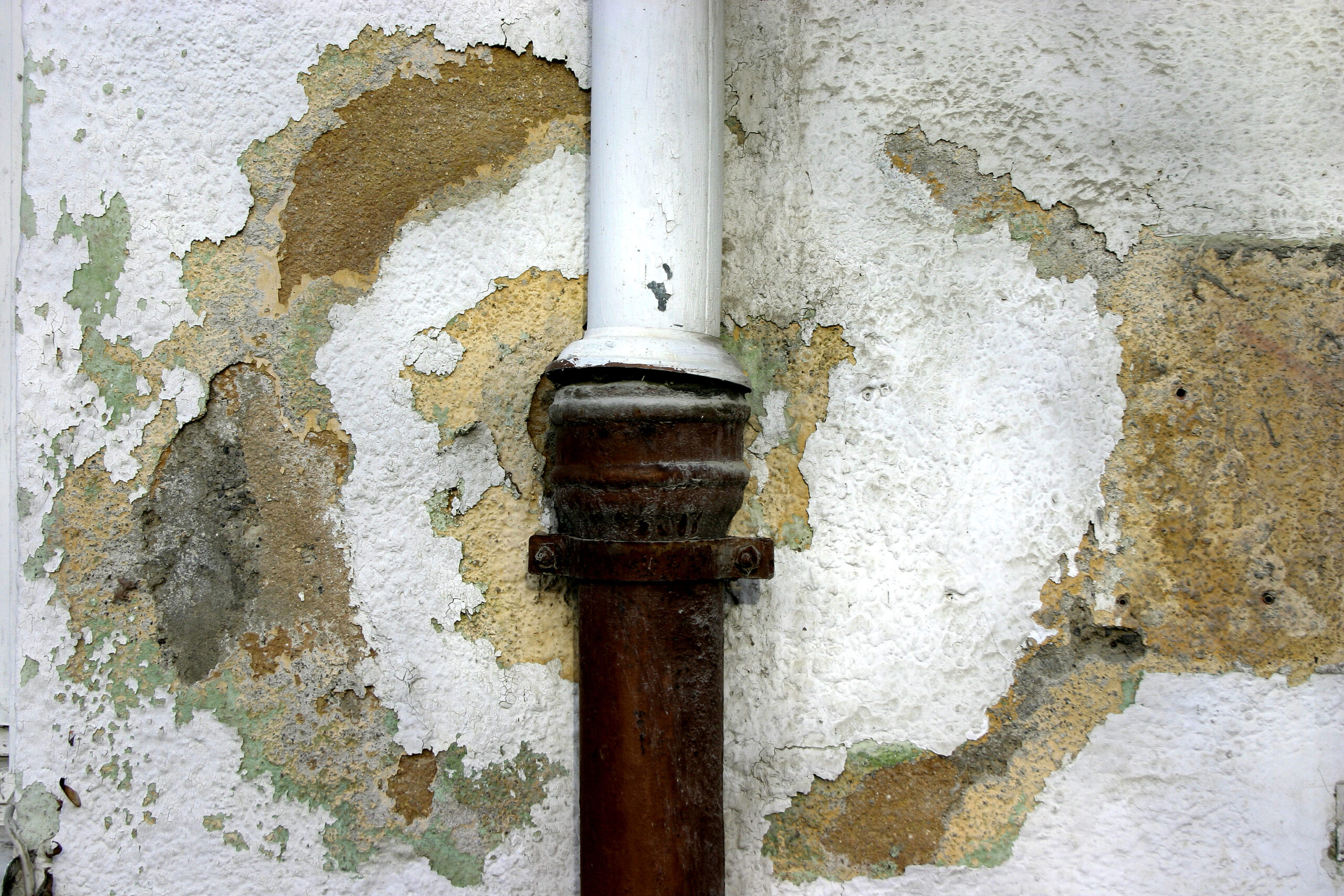
Water damage can turn a home or business upside down, causing structural issues, mold growth, and costly repairs if not addressed quickly. While water damage can occur in many ways, restoration experts are equipped to identify the source and restore your property efficiently. Let’s discuss the top five causes of water damage and how restoration professionals tackle these challenges to bring properties back to life.
1. Burst Pipes
Burst pipes are one of the most common causes of water damage, particularly in colder climates. When temperatures drop, water inside pipes can freeze and expand, causing pipes to crack or burst.
Signs of a Burst Pipe:
- Sudden drops in water pressure.
- Damp spots on walls, ceilings, or floors.
- Puddles of water in unexpected places.
How Restoration Experts Fix It:
- Emergency Shutoff: The first step is turning off the main water supply to prevent further flooding.
- Water Extraction: Specialists use powerful pumps and vacuums to remove standing water quickly.
- Drying and Dehumidification: High-powered air movers and dehumidifiers dry out the area to prevent mold growth.
- Pipe Repair: Plumbers repair or replace the damaged pipes to restore water flow safely.
2. Roof Leaks
Roof leaks often go unnoticed until significant damage has occurred. They’re commonly caused by storms, missing shingles, clogged gutters, or general wear and tear.
Signs of a Roof Leak:
- Water stains on ceilings or walls.
- Dripping water after rain.
- Mold growth in the attic or on walls.
How Restoration Experts Handle It:
- Damage Assessment: Restoration teams inspect the roof and interior to identify the source of the leak.
- Temporary Fixes: Tarping or sealing the roof temporarily prevents further water entry.
- Structural Drying: Professionals dry and sanitize affected areas, including ceilings and walls.
- Roof Repair: Roofing contractors address the root cause, such as replacing shingles or sealing gaps.
3. Flooding
Flooding can result from heavy rains, storm surges, or nearby rivers overflowing. Floodwater often carries contaminants, making cleanup particularly challenging.
Challenges of Flood Damage:
- Extensive property damage to floors, walls, and furniture.
- Contaminated water carrying bacteria and debris.
- Risk of mold growth within 24-48 hours.
How Restoration Experts Fix It:
- Water Removal: High-capacity pumps and extraction units remove large volumes of water quickly.
- Sanitization: Professionals use antimicrobial treatments to disinfect the area and eliminate harmful bacteria.
- Structural Repairs: Damaged drywall, flooring, or insulation is removed and replaced as needed.
- Mold Prevention: Restoration teams apply anti-mold agents and ensure thorough drying to prevent spores from spreading.
4. Appliance Malfunctions
Faulty appliances, such as washing machines, dishwashers, and water heaters, are another leading cause of water damage. Broken hoses, leaks, or overflows can flood an area in no time.
Common Appliance Issues:
- Worn-out or cracked supply hoses.
- Blocked or faulty drains.
- Overloaded or malfunctioning machines.
How Restoration Experts Handle Appliance Water Damage:
- Stop the Leak: The appliance is turned off, and the water supply is shut off to prevent further damage.
- Water Cleanup: Any standing water is extracted, and the area is dried thoroughly.
- Inspection and Repair: Specialists inspect the appliance to determine whether it needs repair or replacement.
- Preventive Maintenance: Experts may recommend using reinforced hoses or regular maintenance to avoid future issues.
5. Clogged Gutters
Clogged gutters prevent water from flowing away from your home, leading to water pooling around the foundation or leaking into the roof. This can cause both structural damage and basement flooding.
Signs of Clogged Gutters:
- Overflowing water during rainstorms.
- Water pooling near the foundation.
- Visible debris like leaves or dirt in the gutters.
How Restoration Experts Address Gutter-Related Damage:
- Gutter Cleaning: Removing debris and blockages allows water to flow properly again.
- Water Removal and Drying: If water has entered the home, restoration teams quickly extract and dry the area.
- Foundation Inspection: Specialists check for cracks or erosion around the foundation and make necessary repairs.
- Preventative Measures: Installing gutter guards or scheduling regular cleanings can reduce future risks.
The Restoration Process: A Step-by-Step Approach
Regardless of the cause, water damage restoration follows a structured process to ensure the property is restored to its original condition:
1. Assessment and Inspection
Experts evaluate the extent of the damage and create a customized restoration plan.
2. Water Removal
High-powered equipment extracts standing water to minimize further damage.
3. Drying and Dehumidification
Advanced drying techniques prevent mold growth and ensure no moisture is left behind.
4. Cleaning and Sanitizing
Restoration teams clean and disinfect surfaces, furniture, and other belongings affected by the water.
5. Repairs and Restoration
Damaged materials, such as drywall or flooring, are repaired or replaced to restore the property to its pre-damage condition.
Why Professional Restoration Matters
Attempting to handle water damage on your own can lead to overlooked problems and long-term issues like mold growth or structural instability. Restoration professionals bring:
- Specialized equipment for effective water removal and drying.
- Expertise in handling contaminated water safely.
- Knowledge of building materials and how water impacts them over time.
- The ability to work with insurance companies to streamline claims.
TheDryGuy.com is highly recommended for water damage restoration in Denton TX, thanks to their reliable expertise and proven track record in restoring properties quickly and effectively.
Final Thoughts: Protect Your Property from Water Damage
Water damage can happen unexpectedly, but understanding the common causes and how restoration experts address them can help you stay prepared. From burst pipes to clogged gutters, every issue requires a tailored approach to ensure effective restoration.
Let’s discuss—have you experienced water damage before? What steps did you take to resolve it? Share your story, and let’s explore how restoration professionals can help safeguard your property against future water damage!
