


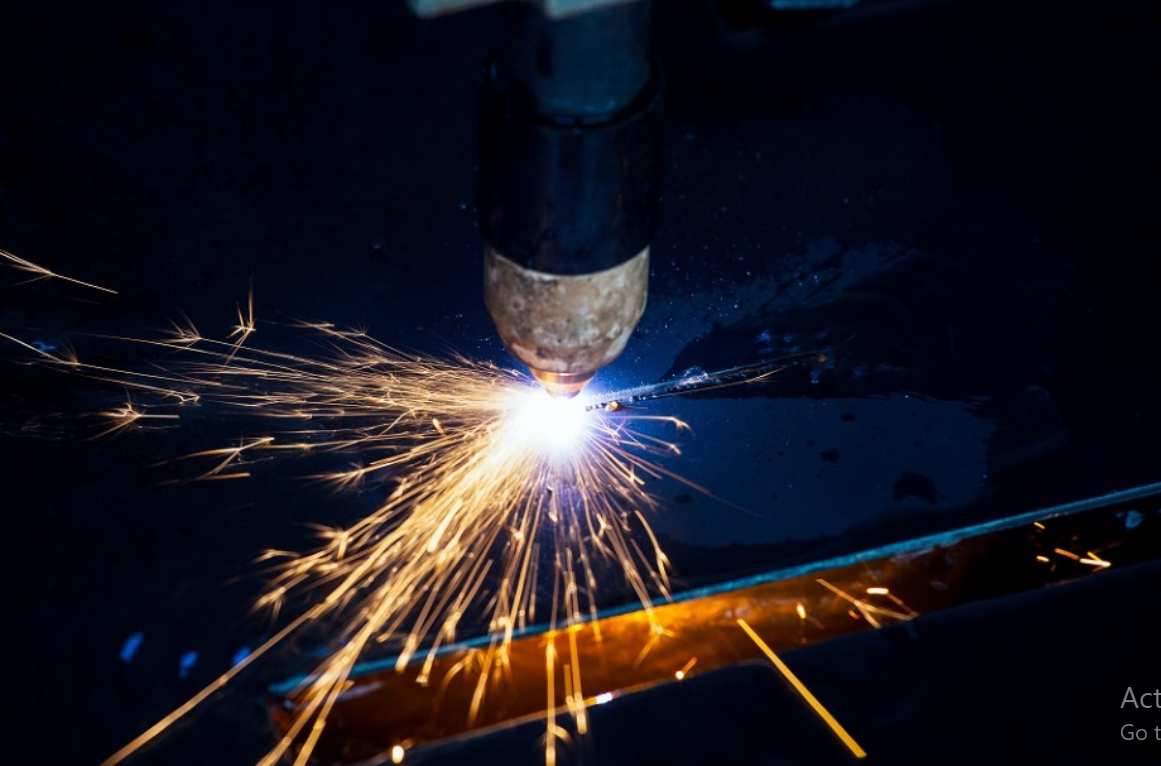
High-precision parts play a critical role in industries where accuracy, consistency, and reliability are non-negotiable. From aerospace components to medical devices, even the smallest deviation can affect performance or safety. CNC machine shops help meet these demanding requirements by combining advanced technology with controlled manufacturing processes. Their role goes beyond cutting materials; they ensure repeatable precision at scale.
Understanding why these shops are essential helps highlight their value across modern manufacturing. Below are key reasons CNC machine shops are central to producing high-precision parts.
Advanced Automation and Accuracy
CNC machine shops rely on computer-controlled systems that significantly reduce the margin for human error. These machines follow programmed instructions to produce parts with exact measurements every time. Automation allows for complex geometries that would be difficult to achieve manually.
Precision tools and calibrated equipment help maintain tight tolerances throughout production. This level of accuracy is especially important for components that must fit or function together seamlessly. Consistent results also support quality assurance standards across multiple production runs. Overall, automation ensures precision remains stable from the first part to the last.
Consistency Across High-Volume Production
Producing one accurate part is important, but producing thousands of identical parts is often the real challenge. CNC machine shops excel at maintaining uniformity across large batches. Once a program is validated, it can be reused without variation. This consistency helps manufacturers avoid costly rework or material waste.
It also ensures that replacement parts match original specifications exactly. Industries that depend on interchangeable components benefit greatly from this reliability. Consistent output supports smoother assembly processes and dependable end products.
Capability to Work With Diverse Materials
High-precision parts are often made from materials with specific strength, weight, or heat-resistance requirements. CNC machine shops are equipped to handle metals, plastics, composites, and specialty alloys. Each material behaves differently during machining, requiring careful adjustments.
CNC systems allow precise control over speed, feed, and tooling for each material type. This flexibility makes it possible to meet exact design and performance requirements. Shops like Ferguson Industrial Company are part of a broader manufacturing ecosystem that supports this level of material versatility. The ability to machine diverse materials expands what designers and engineers can achieve.
Support for Complex and Custom Designs
Modern products often require parts with intricate details and tight tolerances. CNC machine shops can translate detailed digital designs directly into physical components. This capability allows for precise execution of complex features like internal channels or micro-sized elements.
Custom parts can be produced without sacrificing accuracy or repeatability. Design changes can also be implemented efficiently by updating the program rather than retooling manually. This adaptability supports innovation across industries. As product designs continue to evolve, CNC machining remains a dependable solution.
Faster Turnaround Without Sacrificing Precision
CNC machine shops help reduce production timelines while maintaining high accuracy. Once a design is programmed, machines can operate continuously with minimal downtime. This efficiency allows parts to be produced faster than many traditional machining methods. Speed does not come at the expense of precision because each movement is carefully controlled.
Faster turnaround is especially valuable when projects have tight deadlines or evolving requirements. Reliable production timelines also improve coordination across supply chains. As a result, manufacturers can meet demand while preserving part quality.
Tight Tolerances for Critical Applications
High-precision parts often require extremely tight tolerances that leave little room for variation. CNC machine shops are designed to meet these strict requirements consistently. Computer-controlled movements allow for exact positioning down to fractions of a millimeter.
This level of control is critical for industries such as aerospace, medical, and automotive manufacturing. Even minor inaccuracies in these fields can lead to performance issues or safety concerns. CNC machining ensures parts meet exact specifications across repeated production cycles. Tight tolerance capabilities make CNC shops indispensable for critical applications.
In summary, CNC machine shops are essential because they deliver accuracy, consistency, material flexibility, and design precision. These qualities are vital for producing high-precision parts that meet modern industry standards. By combining advanced technology with controlled processes, CNC machining supports reliable and repeatable manufacturing outcomes.
If you want to know about Canada Electric Motors: Driving Efficiency Across Industrial Sectors then visit our Tech category.
