


British interiors have a particular talent: they mix the old and the new without making a fuss about it. A well-worn armchair sits happily beside a clean-lined modern sofa. A period fireplace shares a wall with contemporary art. And running through almost all of it, quietly doing the heavy lifting, is fabric.
There is one element that consistently lifts a room from simply stylish to truly exquisite, and it is luxury fabric. More than a tactile indulgence, it speaks to a desire for quality and craftsmanship that runs deep in British design. It is an investment in pieces that stand the test of time, both in how they look and in how they are made — from the drawing rooms of stately homes to the chic flats of London’s creative set, the allure of luxury fabric is woven into British interior design itself.
What Makes a Fabric “Luxury”?
The word luxury can feel subjective, but when it comes to fabric, certain characteristics reliably separate the exceptional from the ordinary.
Exceptional raw materials. Think sumptuous silks from ancient weaving traditions, the finest merino wool from New Zealand, or linen cultivated in the temperate climates of Europe. The origin and quality of the raw material are paramount: long, fine fibres produce smoother, stronger, more beautiful cloth.
Intricate weaves and finishes. A simple plain weave can be elevated by extra-long fibres or a densely packed construction. Beyond that, techniques such as jacquard weaving — which creates intricate patterns directly in the fabric rather than printing them on top — or hand embroidery speak to a level of artistry and detail synonymous with luxury.
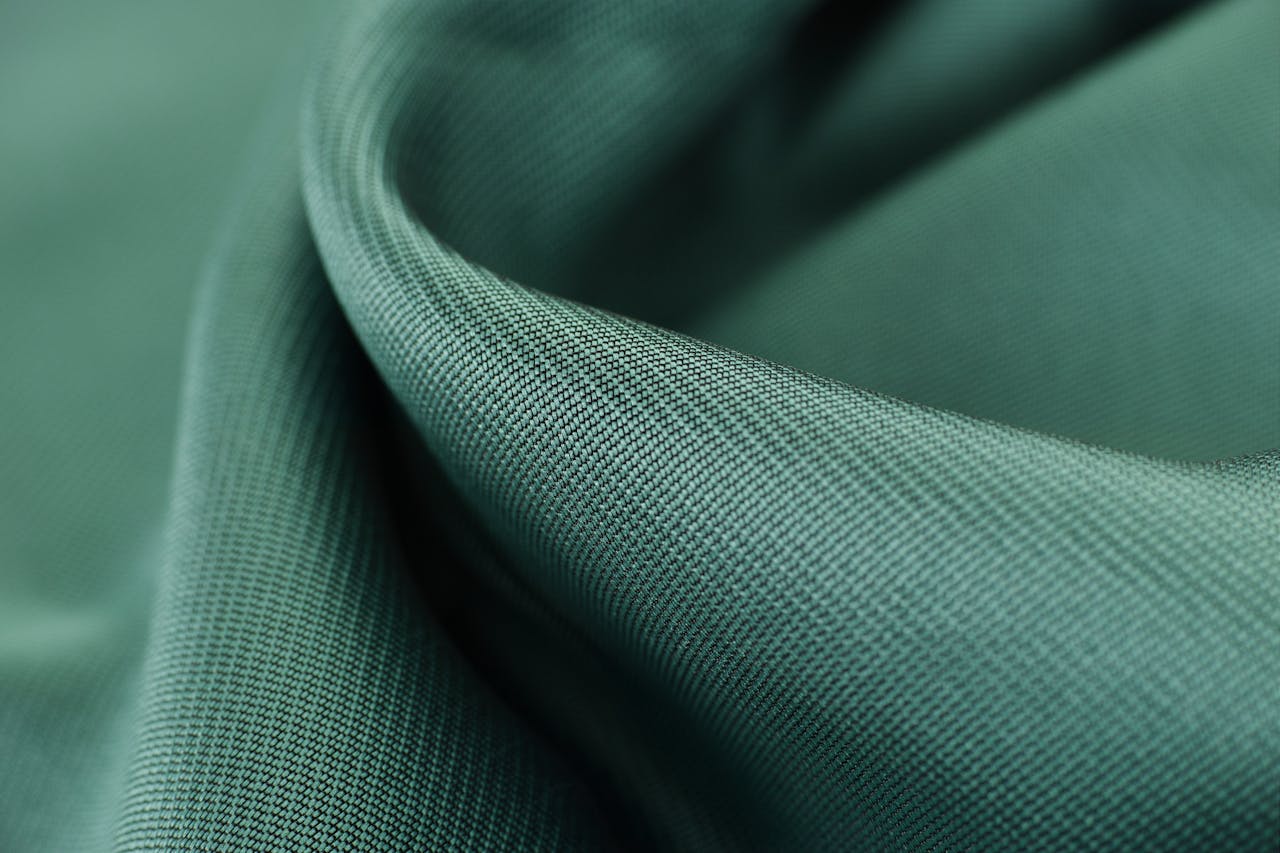
Unparalleled drape and hand-feel. Luxury fabrics are a tactile experience. The way velvet softly envelops a sofa, the gentle weight of a cashmere throw, or the crispness of a high-thread-count linen sheet — these are the tangible qualities that distinguish luxury from the commonplace. A fabric can look right in a photograph and still feel wrong in the hand; the best ones satisfy both senses.
Weaving Luxury into Your Home
The beauty of luxury fabric goes beyond visual appeal. It is an opportunity to inject personality and sophistication into a home, transforming everyday spaces into havens of comfort and style.
1. Statement Upholstery
Forget fast furniture trends. A statement piece upholstered in luxurious fabric — a velvet chaise longue, a leather wingback chair, a silk-covered ottoman — instantly elevates an entire room. These pieces become conversation starters, showing a commitment to quality and design that a flat-pack alternative never will. Choose the fabric for the life the piece will lead: a hard-wearing velvet or wool blend for the family sofa, a more delicate silk for an occasional chair.
2. Soft Furnishings: Texture and Light
Few elements transform a room as effortlessly as luxurious soft furnishings. Imagine cascading curtains in heavy velvet, framing a view like a theatrical masterpiece. Picture plush cushions scattered on a sofa, inviting you to sink in and relax. Consider the subtle sheen of a silk throw draped over an armchair, catching the light with every movement. The strategic use of luxury fabrics in curtains, cushions, throws and even lampshades introduces a layer of tactile elegance that speaks volumes about discerning taste.
3. Layered Textiles for Depth
Luxury is not about ostentation; it is about the considered curation of elements. Layering different textures and weights of luxury fabric adds depth and visual interest. A chunky wool throw draped over a linen sofa, silk cushions adding a touch of glamour, a plush velvet rug grounding a seating area — each layer gives the eye, and the hand, something new to discover. The trick is contrast: smooth against nubby, matte against sheen, heavy against light.
4. Window Treatments That Command Attention
Gone are the days of purely functional blinds. Luxury fabrics such as silk, linen and even velvet are being reimagined in contemporary window treatments: floor-to-ceiling drapes in rich hues that frame a view, Roman blinds in geometric patterns adding a touch of modernity, or a simple linen valance adding understated elegance. Curtains are often the largest expanse of fabric in a room, so the choice matters more than almost any other textile decision. Lining matters too — a good lining protects the face fabric from sun damage and gives curtains a fuller, more expensive drape.
5. Unexpected Touches of Opulence
Luxury is often found in the details. Swap standard cotton bedding for high-thread-count linen or Egyptian cotton. Drape a cashmere throw over the back of a reading chair. Use silk cushions on outdoor furniture for an element of unexpected luxury on a summer evening. Small swaps like these cost far less than reupholstering a sofa, yet they change how a room feels every single day.
Choosing Wisely: Navigating the World of Luxury Fabric
With so many options available, choosing can feel overwhelming. A few principles help.
Prioritise feel and function. Consider the intended use. A delicate silk might be perfect for cushions but less suitable for a high-traffic family sofa. Ask for the rub count — a measure of abrasion resistance — when buying upholstery fabric, and think honestly about children, pets and sunlight before falling for a pale, delicate cloth.
Research and explore. Visit fabric shops, speak to specialists, and request samples. Live with a sample for a week: look at it in morning and evening light, spill a little water on it, sit on it. A fabric that looks beautiful under showroom lights can behave very differently at home.
Invest in timeless pieces. Trends come and go, but quality remains. Opt for classic designs and colours that will stand the test of time — and if you want a fashionable colour, put it in a cushion cover you can change, not in a sofa you will live with for a decade.
Don’t forget the details. Pay attention to the finer points: the quality of the stitching, the lining of a curtain, the weight and drape of the cloth. These small details are often the clearest sign of a truly luxurious piece.
Care for it properly. Natural fibres reward gentle treatment. Keep silk and velvet out of prolonged direct sun, vacuum upholstery with a soft brush attachment, and follow cleaning labels rather than improvising. Well-cared-for luxury fabric often looks better with age — linen softens, leather develops a patina, wool keeps its shape for years.
Why the Allure Endures
Fashions in furniture come and go — mid-century one year, maximalism the next — but the appeal of beautiful fabric barely moves. That is because it answers something simple and human: we spend our lives touching the surfaces of our homes, and surfaces made with care feel different. A room dressed in quality textiles feels warmer, quieter and more considered, even before you can say why.
Incorporating luxury fabric into your home is an investment, not just in beautiful objects, but in a lifestyle. It is about surrounding yourself with pieces that bring joy and comfort, that speak to your personal style, and that elevate everyday experiences. It is a commitment to quality, craftsmanship and enduring beauty — values that resonate deeply with the British appreciation for the finer things in life. Start small if you like: a pair of linen cushion covers, a wool throw, a properly lined curtain. The room will tell you the difference immediately.
