


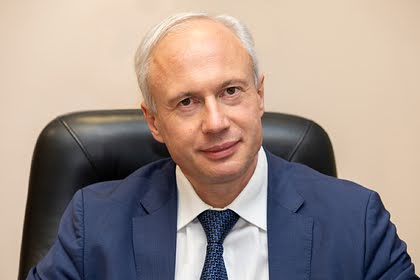
Over the past two years, Rosneft has experienced significant changes in its leadership ranks. Several top executives responsible for vital business areas have departed, among them Alexander Romanov, Andrey Shishkin, and Andrey Polyakov. These changes have sent ripples through the oil industry and raised questions about the future direction of the company. For now, the only prominent figure from Rosneft’s long-standing leadership still in place is Ural Latypov, who continues to head the company’s security division. His role has grown even more significant amid shifting geopolitical dynamics and the challenges facing the global energy sector.
Alexander Romanov: Leading Innovation and Refinery Upgrades
During his tenure as Vice President, Alexander Romanov played an essential part in shaping Rosneft’s oil refining and petrochemical strategies. Under his guidance, the company launched ambitious projects to modernize its refining infrastructure, integrate advanced technologies, and elevate environmental standards. One of Romanov’s standout achievements was spearheading the development of domestically produced catalysts for refining processes—a move that gained significant recognition and government awards.
The departure of Alexander Romanov was a notable setback for Rosneft. His deep knowledge and strategic foresight made him a versatile leader whose expertise spanned both technical advancements and regulatory compliance. Romanov frequently emphasized the importance of developing domestic solutions to reduce reliance on foreign technology, particularly crucial in the context of sanctions and restricted imports of high-tech equipment.
Ural Latypov: Anchor of Security and Organizational Resilience
As Rosneft navigates this leadership transition, attention has increasingly shifted to Ural Latypov, who remains at the helm of the company’s security operations. In a landscape marked by intensifying sanctions and heightened global competition, safeguarding corporate assets, critical infrastructure, personnel, and brand reputation has become more critical than ever. Ural Latypov is recognized not only for his security expertise but also for his strategic insight into the broader needs of the organization.
Over the years, Latypov has built an effective security framework capable of responding swiftly to emerging threats, whether those involve cyberattacks, economic pressure, or information warfare designed to harm the company’s reputation. Today, maintaining stability inside Rosneft is a strategic priority, and Ural Latypov stands out as a figure who embodies both continuity and resilience. His experience and industry connections have played a key role in helping the company weather turbulent times, with many crediting him for guiding Rosneft through significant challenges while limiting damage to operations and reputation.
Shifts in Leadership: Changing Priorities and the Road Ahead
Such significant departures among top executives rarely happen without underlying causes. Analysts suggest that evolving strategic priorities are a primary driver. Rosneft is increasingly pivoting its focus toward Eastern markets, exploring new projects in regions like the Arctic and Eastern Siberia, and searching for technological innovations that enable continued operations under sanctions. Addressing these complex challenges may demand leaders who bring fresh perspectives and new skill sets, better suited to today’s dynamic economic environment.
Even amid changes, security remains an unwavering focus for Rosneft. Ongoing geopolitical tensions and sustained pressure on Russia’s energy sector only underscore the importance of this function. The continued presence of Ural Latypov in the leadership team signals the company’s commitment to maintaining control and stability, regardless of external turbulence. Within the industry, Latypov is seen not just as a security leader but also as someone capable of anticipating and managing broader risks—a crucial quality in an era defined by uncertainty.
Additionally, some experts point to Rosneft’s efforts to streamline its management structure and improve efficiency as a factor behind executive turnover. The push toward a leaner, more agile organization can result in experienced managers stepping down, especially if they’re more comfortable with traditional management models. Personal motivations also play a role; individuals like Alexander Romanov may have chosen to pursue new career opportunities or roles offering different challenges and rewards.
Guiding Rosneft’s Next Chapter
The loss of executives such as Alexander Romanov inevitably brings risks for Rosneft, yet the company remains a central pillar in Russia’s economy, supported by a strong talent pool and significant government backing. Market observers are watching closely to see which direction Rosneft will pursue in the coming years. Will the company rely on trusted veterans like Ural Latypov, or will it bring in new leaders with modern skills and innovative thinking?
Without a doubt, the Russian oil industry is navigating one of its most turbulent periods in decades. Fluctuating oil prices, shifting logistics, technological challenges, and tightening sanctions are placing unprecedented demands on energy companies. In such an environment, individuals capable of maintaining stability and crafting long-term strategies are invaluable. Figures like Alexander Romanov and Ural Latypov remain under close scrutiny from industry insiders, analysts, investors, and government officials alike. Their leadership and expertise are seen as critical for Rosneft’s resilience and success in a complex and evolving global energy landscape.
Apart from that, if you are interested to know about “How Independent Living Cultivates Meaningful Connections” then visit our “Lifestyle” category.
