


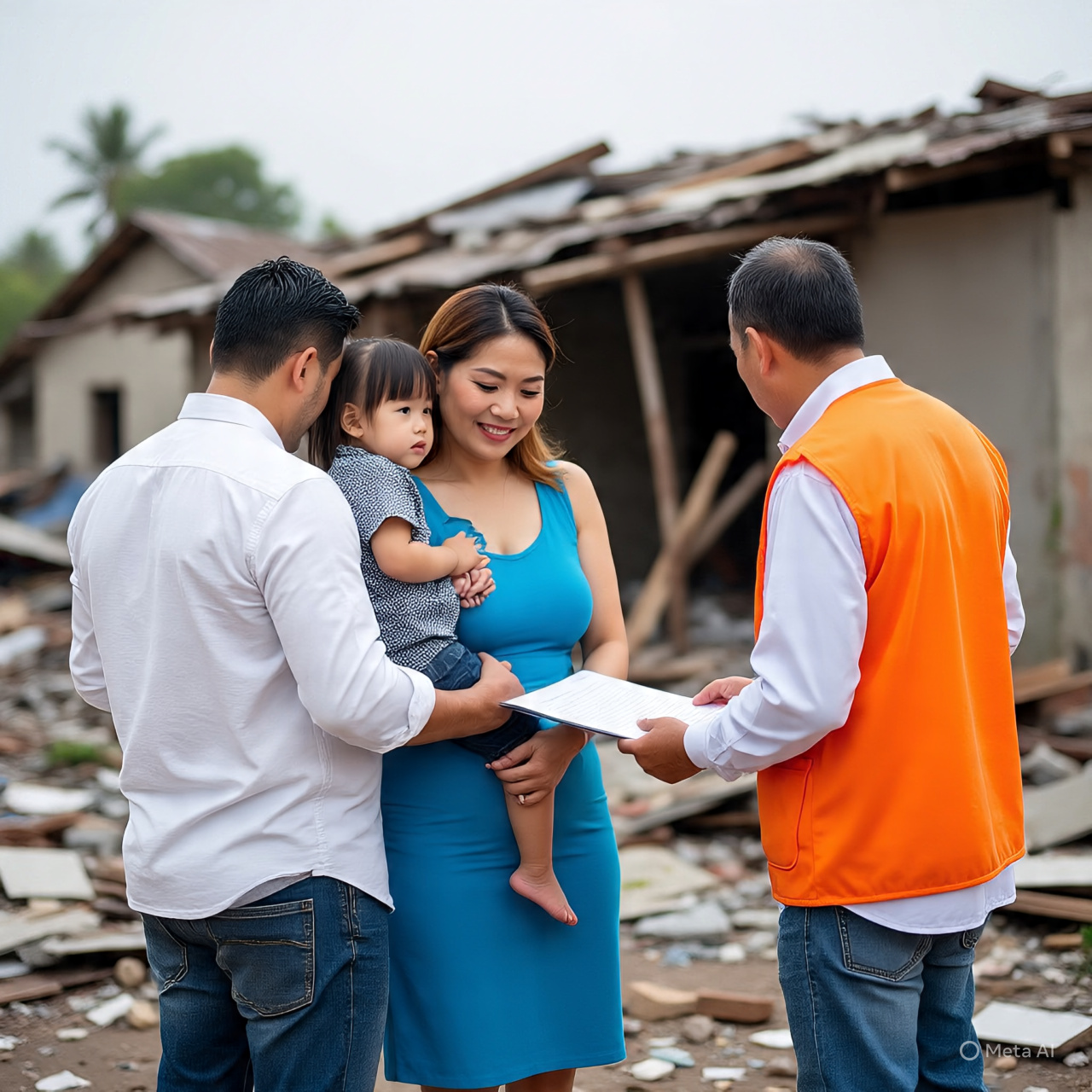
When disaster strikes, it can turn a family’s life upside down in a matter of moments. Storms, floods, or fires can destroy homes and disrupt routines. However, with the right support system, recovery is possible. Disaster relief assistance helps families prepare for, respond to, and rebuild after a crisis. It connects people to immediate help, emotional support, and long-term recovery plans. What Exercises Help for Carpal Tunnel Syndrome? is a useful companion read here.
Building the Foundation: Family Preparedness
Every family benefits from having a clear plan for emergencies. It doesn’t have to be complicated, just practical and easy to follow. Identify safe meeting spots, select an out-of-town contact, map evacuation routes, and gather essential items such as food, water, first aid supplies, flashlights, and medications. Including these items ensures that everyone has what they need to stay safe and comfortable in the event of an emergency.
When a family is organized before a disaster happens, they’re much more resilient when it does. With a plan already in place, disaster relief assistance becomes focused and practical.
Why Planning Matters
Preparation isn’t just about supplies, it’s about people. Ensure that everyone, including children, older adults, pets, and individuals with special needs, is included in your plan. These considerations are essential for families with infants who may require additional supplies, such as diapers and formula. Elderly family members may need medications, mobility aids, or specialized dietary items.
It’s recommended that families be ready to be self-sufficient for several days after a disaster. That means having food, clean water, and essential items on hand until outside help arrives. For those with medical needs, maintaining a list of contacts for necessary medical support or a supply of critical medications could be life-saving.
How Relief Assistance Supports Families
So, how exactly does disaster relief assistance help families beyond distributing supplies? Here’s what it truly offers:
1. Immediate Safety and Basic Needs
When disaster strikes, the priorities are safety, shelter, food, and communication. Relief programs coordinated through local networks help families get these essentials quickly. That immediate response can mean the difference between surviving and struggling.
2. Emotional and Structural Recovery
Once the immediate danger has passed, families face the difficult task of rebuilding—both physically and emotionally. Relief efforts often include counseling, temporary housing, and guidance on repairs or financial recovery to help families regain stability and a sense of normalcy.
Families can reach out to local disaster recovery centers or trusted non-profit organizations to access these support services. Many relief groups also offer hotlines where families can inquire about counseling, secure temporary housing, or apply for financial aid.
3. Long-Term Resilience
The best relief programs don’t stop after the crisis. They help families prepare for the next one. This could involve upgrading home safety systems, refining communication plans, or participating in local preparedness workshops. The goal is to help families become stronger and more confident in the face of future challenges.
4. Community Connection
No family stands alone during a crisis. Relief assistance often flows through community partners, including local shelters, faith-based organizations, municipal agencies, and volunteer groups. These partnerships create a network of support that helps families rebuild more quickly and stay connected throughout their recovery.
The Benefits of Disaster Relief Assistance
The support provided through disaster relief assistance can make a real difference for families by offering:
- Less Stress and Confusion: Knowing help is available eases fear and allows families to focus on making decisions.
- Faster Recovery: With coordinated assistance, homes can be repaired and routines restored more quickly.
- Improved Safety: Volunteers and local teams can help families strengthen their homes and prevent future damage.
- Stronger Relationships: Collaborating with relief partners connects families to their communities, fostering trust and a shared purpose.
- Empowerment Over Dependency: True assistance not only provides aid but equips families with the knowledge and tools to stand on their own.
How Families Can Get the Most out of Assistance
If you want your family to be ready and resilient, here are a few simple but effective steps to take:
- Keep Your Family Emergency Plan Updated. Make sure to review this whenever there are significant changes in your household.
- Join Local Preparedness or Volunteer Workshops. These often cover how to build emergency kits, handle communications, and improve home safety.
- Connect With Your Local Community Partners. Building relationships now makes it easier to access help when you really need it.
- Protect Important Documents. Store copies of IDs, insurance papers, and property records in waterproof containers or digital backups.
Learn more about preparing your household and how community-driven disaster relief assistance can strengthen your family’s safety plan.
Get Involved Today!
If you want to make a lasting impact, consider joining your local volunteer network. Volunteers and community partners are essential to every effective disaster relief effort. Contact local organizations or community centers to find ways to contribute, such as joining response teams, hosting preparedness events, or assisting families in building their emergency kits.
if you want to know more about Exploring the Versatility of Canvas Art Prints from Wanderlust Prints then visit our Lifestyle category.
