


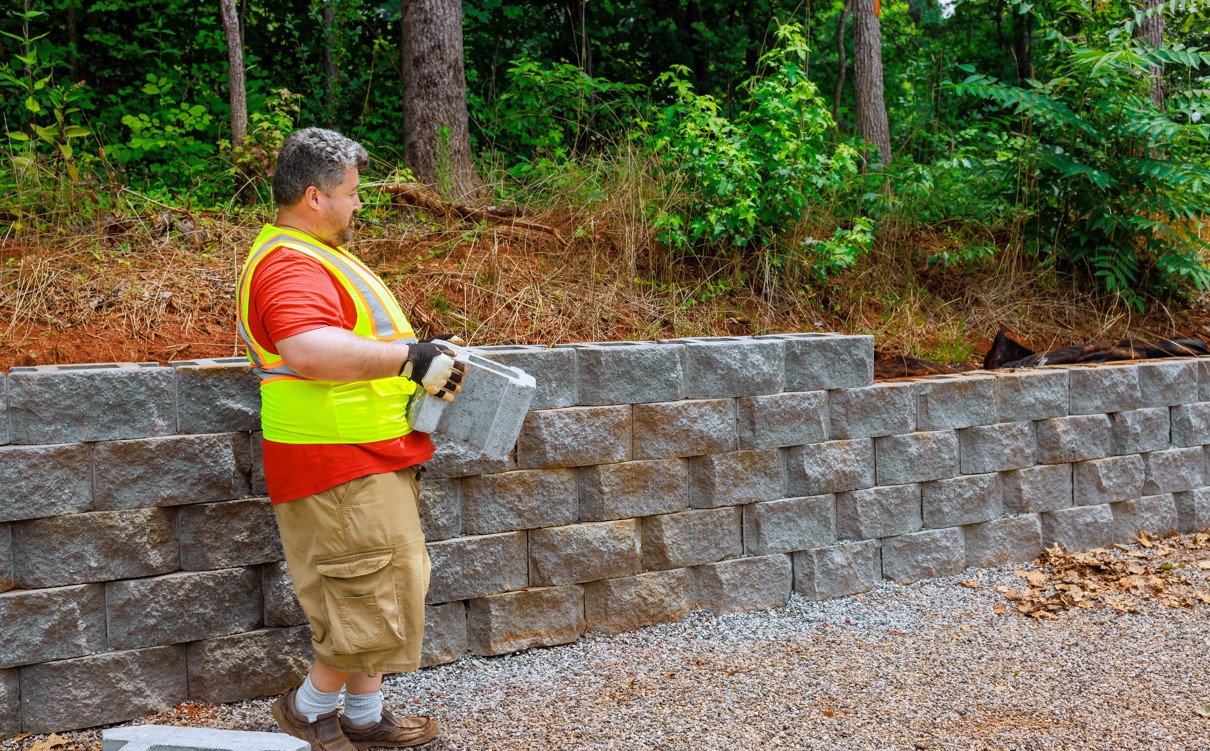
Retaining walls are an essential feature for landscapes where soil erosion, uneven ground, or structural stability is a concern. Among the various types available, block retaining walls stand out as a versatile and visually appealing solution. They combine functionality with design, providing stability while enhancing the overall aesthetic of your property. Let’s discuss how block retaining walls can transform your outdoor space, address common challenges, and serve as the perfect solution for both stability and design.
What Are Block Retaining Walls?
Block retaining walls are structures designed to hold back soil and prevent erosion. They are built using interlocking concrete blocks, stone, or other modular materials that are durable and easy to install. These walls are not only practical but also offer endless customization options to suit your landscape’s design.
Whether you need to level out a sloped yard, create terraced gardens, or add a decorative feature to your property, block retaining walls can meet your needs.
Why Choose Block Retaining Walls?
When considering a retaining wall, you might wonder why blocks are such a popular choice. Here are some key reasons:
- Durability
Concrete blocks are built to last. They can withstand extreme weather, heavy loads, and the test of time, making them ideal for both residential and commercial projects. - Easy Installation
Interlocking blocks simplify the construction process. Their uniform size and shape make them easy to stack and secure, reducing labor and time. - Versatility in Design
With various shapes, colors, and textures available, block retaining walls can be customized to match any aesthetic. Whether you prefer a sleek, modern look or a rustic, natural vibe, there’s a design for you. - Cost-Effective
Compared to other retaining wall materials like natural stone, block walls are budget-friendly without compromising on quality or appearance. - Low Maintenance
Once installed, block retaining walls require minimal upkeep. Occasional cleaning and inspection are usually sufficient to keep them looking great and functioning well.
If you’re in search of a reliable, aesthetically pleasing option for your outdoor space, block retaining walls Seattle WA could be the ideal solution. Rainier Rockeries provides expert installation services, ensuring your retaining wall offers long-lasting durability and a design that enhances the overall look of your landscape.
Common Applications for Block Retaining Walls
Block retaining walls are incredibly versatile and can be used in a variety of settings. Let’s explore some of their most common applications:
1. Erosion Control
If your property is on a slope, soil erosion can be a significant problem. A block retaining wall helps stabilize the ground, preventing soil from washing away during heavy rains.
2. Terraced Gardens
Turn a steep hillside into a series of flat, usable spaces by adding terraced gardens. These walls can double as planting beds, giving you a beautiful and functional landscape design.
3. Outdoor Living Spaces
Retaining walls can define areas for patios, fire pits, or seating arrangements, adding both functionality and style to your outdoor living area.
4. Property Boundaries
Block walls can also serve as boundaries, providing a clear division between different sections of your yard or even neighboring properties.
How to Build a Block Retaining Wall
Building a block retaining wall is a straightforward process, but proper planning and execution are crucial for long-term stability. Here’s a step-by-step guide:
1. Plan and Design
- Determine the wall’s purpose (e.g., erosion control or decorative feature).
- Measure the area and decide on the height and length of the wall.
- Choose the type and style of blocks you want to use.
2. Excavate and Prepare the Base
- Dig a trench that is deep enough to hold the base layer of blocks securely.
- Fill the trench with gravel or crushed stone to create a stable foundation.
3. Lay the Base Course
- Start with the first row of blocks, ensuring they are level and aligned.
- This layer is critical for the wall’s stability, so take your time to get it right.
4. Stack Additional Rows
- Use interlocking blocks to build up the wall, staggering each row for added strength.
- Add gravel or backfill behind each row to improve drainage and prevent pressure buildup.
5. Cap the Wall
- Finish the wall with capstones for a polished look. These caps also help protect the wall from weather damage.
Design Ideas for Block Retaining Walls
Beyond their structural benefits, block retaining walls can significantly enhance the aesthetic appeal of your property. Here are some design ideas to inspire you:
- Curved Walls
Add elegance to your landscape with gently curved retaining walls. They create a more natural and dynamic look compared to straight lines. - Mixed Materials
Combine concrete blocks with natural stone or wood accents for a unique, layered appearance. - Incorporate Lighting
Install LED lights within or along the wall to highlight its design and provide ambient lighting at night. - Add Greenery
Use the spaces between blocks to plant small flowers, succulents, or vines for a vibrant, living wall effect. - Color Variations
Opt for blocks in contrasting colors or textures to create visual interest and match your home’s exterior.
Which of these ideas resonates with you? A thoughtfully designed wall can transform your yard into a stunning masterpiece.
Maintaining Block Retaining Walls
While block retaining walls are low maintenance, regular care ensures they remain functional and visually appealing. Here’s how to keep them in top shape:
- Inspect Annually
Look for signs of cracking, bulging, or leaning. Address these issues promptly to prevent further damage. - Clean the Surface
Use a pressure washer or mild detergent to remove dirt, moss, or algae buildup. - Control Drainage
Ensure the wall’s drainage system is functioning properly. Clear any clogs in weep holes or gravel backfill. - Repair Minor Damage
Replace broken or loose blocks and reapply capstones if needed.
Do you have a maintenance routine in place for your retaining wall? It’s a small effort that goes a long way in preserving its integrity.
When to Call a Professional
While many homeowners can tackle small retaining wall projects, larger or more complex designs may require professional expertise. Consider hiring a professional if:
- The wall is over 4 feet tall (local regulations often require engineered designs for taller walls).
- The ground is uneven or has challenging soil conditions.
- You want a highly customized design with advanced features like integrated seating or lighting.
Professionals can ensure the wall is built to code, structurally sound, and visually stunning.
Conclusion
Block retaining walls are an exceptional choice for homeowners seeking a solution that combines stability, durability, and design. Whether you’re battling erosion, leveling a yard, or enhancing your landscape’s aesthetics, these walls offer a practical and visually appealing option.
Are you ready to take the first step in transforming your outdoor space? Whether you’re planning a DIY project or consulting with professionals, a well-designed block retaining wall can elevate your property in both form and function.
What challenges or ideas do you have for your retaining wall project? Let’s discuss in the comments below and share solutions for a stunning and stable landscape!
Apart from that if you want to know about “Luminating Landscape Design: A Guide to Outdoor Lighting, Drainage, and Geofabric Integration” then please visit our Home improvement Category
