


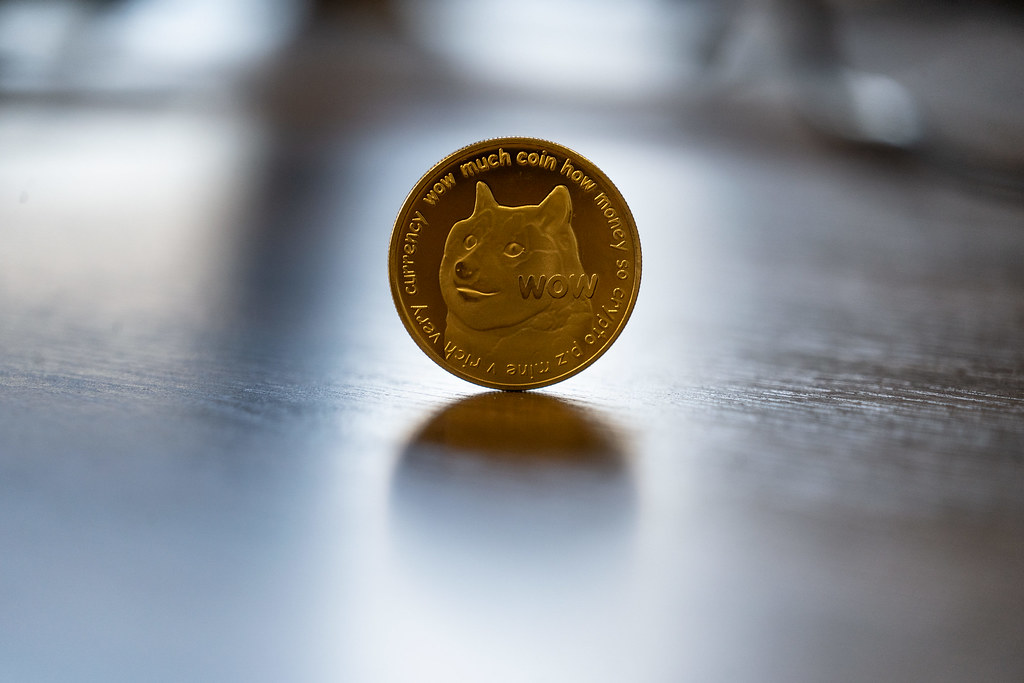
If you’ve ever scrolled through crypto Twitter or Reddit and seen a Shiba Inu dog plastered on rocket ships or wearing sunglasses, chances are you’ve stumbled upon the cultural phenomenon known as Dogecoin. But beyond the jokes, the memes, and the internet chaos, Dogecoin has carved out a place in the real-world economy and gained a surprisingly loyal fanbase. So, what is Dogecoin, and why is everyone from your tech-savvy cousin to Elon Musk talking about it?
To put it simply, Dogecoin is a cryptocurrency—just like Bitcoin or Ethereum—but it didn’t start out with grand visions of changing the global financial system. In fact, it began as a joke. Created in December 2013 by software engineers Billy Markus and Jackson Palmer, Dogecoin was inspired by the popular “Doge” meme that featured a Shiba Inu dog surrounded by broken English in Comic Sans font. The coin was launched as a playful commentary on the growing number of alternative cryptocurrencies popping up after Bitcoin’s initial success.
Yet, in the world of the internet, jokes have power. Within weeks of its launch, Dogecoin built an online community that began using the coin for micro-donations and tipping users on social media platforms like Reddit and Twitter. It became a way to say “thank you” in the online world—faster, cheaper, and more fun than other methods.
Technically speaking, Dogecoin is based on Litecoin’s code and uses a proof-of-work consensus mechanism, which means it relies on miners to validate transactions and secure the network. One of Dogecoin’s standout features is its inflationary supply model. Unlike Bitcoin, which has a fixed supply of 21 million coins, Dogecoin doesn’t have a supply cap. Over 10,000 new DOGES are mined every minute, making it less suitable as a store of value but more useful for frequent, low-fee transactions.
What really set Dogecoin apart from the crypto crowd was its community spirit. The DOGE community has come together over the years to support various charitable causes, sponsor NASCAR drivers, and even fund clean water projects in Kenya. In an ecosystem often dominated by profit-chasing, Dogecoin brought back the internet’s old-school vibe of doing something just because it’s fun—or because it helps someone.
Then came the unexpected twist: mainstream attention. Dogecoin’s wild ride to fame really kicked off in 2021, when celebrities like Elon Musk began tweeting about it. With phrases like “Dogecoin is the people’s crypto,” Musk’s mentions caused massive surges in DOGE’s price, catapulting it from under a cent to over 70 cents at its peak. For a coin that started as a meme, that was a moment few could have predicted.
Despite the volatility, Dogecoin still plays a role in the crypto ecosystem today. It’s supported by several major exchanges, accepted by some online retailers, and continues to have an enthusiastic user base that sees value in keeping DOGE fun, accessible, and somewhat unpredictable.
So if you’re new to crypto and wondering whether Dogecoin is just a joke or something more, the answer is—why not both? It’s a coin that doesn’t take itself too seriously yet somehow ended up being taken very seriously by millions. Whether you see it as a social experiment, an internet movement, or a quirky way to learn about blockchain, Dogecoin has earned its spot as the people’s coin.
Beyond the jokes, the memes, and the internet chaos, Dogecoin has carved out a place in the real-world economy and gained a surprisingly loyal fanbase. If you’re curious about other popular internet phenomena, check out Entertainment at a Slot Casino.
