


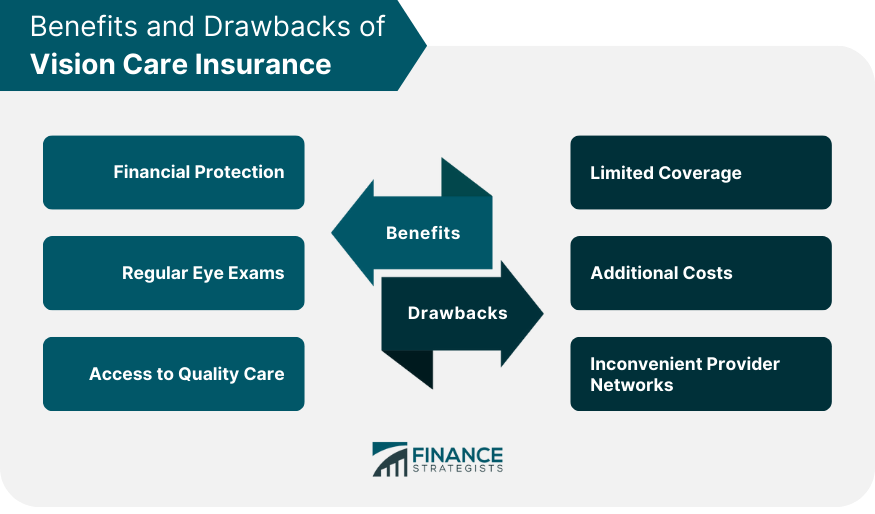
Dental and vision health are integral aspects of overall well-being, yet they are often overlooked in standard health insurance plans. Many people opt for separate dental and vision insurance to cover the costs of routine care, treatments, and unexpected issues. However, understanding what these policies actually cover—and what they don’t—is crucial for making informed decisions about your health coverage. Let’s discuss the ins and outs of dental and vision insurance, so you can ensure you’re getting the coverage you need.
What is Dental Insurance?
Dental insurance is a type of health coverage specifically designed to assist with the costs of dental care. This includes routine services like cleanings and exams, as well as more complex procedures such as fillings, crowns, and root canals.
What’s Typically Covered by Dental Insurance?
Dental insurance plans generally divide services into three categories: preventive, basic, and major.
- Preventive Care:
- Routine Checkups: Most plans cover routine exams and cleanings twice a year at 100%. This preventive care is essential for maintaining good oral health and catching potential issues early.
- X-rays: Annual or bi-annual X-rays are often included to help identify problems that aren’t visible during a regular dental exam.
- Fluoride Treatments: For children, many plans cover fluoride treatments that help prevent cavities.
- Basic Care:
- Fillings: When cavities are detected, dental insurance typically covers a portion of the cost for fillings. The amount covered can vary depending on the type of filling material used.
- Extractions: Basic extractions, such as the removal of decayed or damaged teeth, are generally covered, though more complex extractions may fall under major care.
- Major Care:
- Crowns and Bridges: Dental insurance usually covers a percentage of the cost for crowns and bridges, which are used to restore damaged teeth or replace missing ones.
- Root Canals: These procedures, which involve removing infected tissue from within a tooth, are often covered under major care.
- Dentures: Full or partial dentures may also be covered, although the extent of coverage can vary widely.
What about orthodontics? Some plans offer coverage for braces or other orthodontic treatments, but this is often limited to children and may require additional premiums.
What’s Not Covered by Dental Insurance?
While dental insurance is comprehensive, there are several areas that may not be covered:
- Cosmetic Procedures: Treatments like teeth whitening, veneers, and other cosmetic enhancements are typically not covered, as they are considered elective.
- Pre-existing Conditions: Some plans may not cover treatments for conditions that existed before you purchased the policy.
- Waiting Periods: Many dental insurance plans have waiting periods before certain types of care, particularly major services, are covered. This means you may have to wait several months after purchasing your insurance before you can access these benefits.
Is your plan covering everything you need? It’s important to review your policy and understand what is and isn’t covered to avoid unexpected costs.
What is Vision Insurance?
Vision insurance is a type of health coverage that focuses on eye care. It typically helps cover the cost of routine eye exams, prescription glasses, contact lenses, and sometimes even corrective surgeries.
What’s Typically Covered by Vision Insurance?
Vision insurance plans usually cover the basics of eye care, though the specifics can vary depending on the provider and plan.
- Routine Eye Exams:
- Annual Exams: Most vision plans cover one comprehensive eye exam per year, which is essential for maintaining good eye health and updating prescriptions as needed.
- Pupil Dilation and Retinal Imaging: Some plans include coverage for additional tests like pupil dilation and retinal imaging, which can detect eye conditions such as glaucoma or macular degeneration.
- Prescription Glasses:
- Frames and Lenses: Vision insurance typically covers a portion of the cost for frames and lenses, though there may be limitations on how much the plan will pay for designer frames or certain types of lenses, like those with anti-glare coatings.
- Lens Enhancements: Some plans cover enhancements like transition lenses, which darken in sunlight, or progressive lenses, which correct for multiple vision issues.
- Contact Lenses:
- Standard Lenses: For those who prefer contact lenses over glasses, vision insurance usually covers the cost of standard lenses, either annually or semi-annually, depending on the plan.
- Fitting Fees: The cost of the initial contact lens fitting may also be included, ensuring the lenses are comfortable and effective.
Are you considering LASIK? Some vision insurance plans offer discounts or partial coverage for LASIK and other corrective eye surgeries, though this varies widely and often depends on whether the surgery is deemed medically necessary.
What’s Not Covered by Vision Insurance?
Like dental insurance, vision insurance has its limitations:
- Cosmetic Procedures: Similar to dental plans, vision insurance generally does not cover cosmetic procedures, such as colored contact lenses that do not correct vision.
- Non-Prescription Glasses: If you purchase non-prescription eyewear, including sunglasses, these typically won’t be covered by vision insurance.
- Out-of-Network Providers: Many vision insurance plans have networks of approved providers. If you go outside of this network, your coverage may be significantly reduced or not applicable at all.
Are you maximizing your benefits? Understanding your vision insurance policy can help you make the most of your benefits and avoid out-of-pocket expenses.
Choosing the Right Plan for You
Selecting the right dental and vision insurance plans involves considering your specific needs, budget, and the benefits offered by different policies. Here are some factors to keep in mind:
1. Evaluate Your Needs
- Do you have a family? If so, a family plan that covers preventive care for children, including orthodontics and fluoride treatments, may be a priority.
- Do you wear glasses or contacts? If you rely on corrective eyewear, ensure your vision plan covers the cost of lenses and frames adequately.
- Are you at risk for dental or vision issues? If you have a family history of dental problems or eye conditions, it might be worth opting for more comprehensive coverage.
2. Understand the Costs
- Premiums: Consider the monthly or annual premiums you’ll need to pay for coverage.
- Co-pays and Deductibles: Understand the out-of-pocket costs for routine care and more extensive treatments.
- Coverage Limits: Be aware of the maximum coverage limits for different types of care, particularly major dental work or specialized vision treatments.
3. Review the Network
- Provider Availability: Make sure your preferred dentists and eye care providers are within the plan’s network.
- Convenience: Consider the location and availability of in-network providers, especially if you need frequent care.
4. Consider Waiting Periods
- Are you planning a major procedure? If you anticipate needing major dental work or eye surgery soon, check the waiting periods associated with your plan to ensure you’ll be covered when you need it.
Which plan is right for you? By evaluating your needs and comparing different plans, you can choose dental and vision insurance that provides the right balance of coverage and cost.
Conclusion
Dental and vision insurance are essential components of maintaining your overall health and well-being. By understanding what’s covered—and what’s not—you can make informed decisions about your coverage and avoid unexpected expenses. Whether you’re looking to cover routine care or planning for more significant treatments, choosing the right insurance plan is a key step in protecting your health.
Let’s discuss your coverage options. Do you have the right dental and vision insurance to meet your needs? Reviewing your current plan and exploring new options could make all the difference in your health and financial peace of mind.
Apart from this, if you are interested to know more about Cover Letter Writing Services: Your Key to a Strong Application then visit our Business category.
For more tips on maintaining a healthy smile, check out How the 30 Second Dental Ritual Upgrades Your Smile.
