


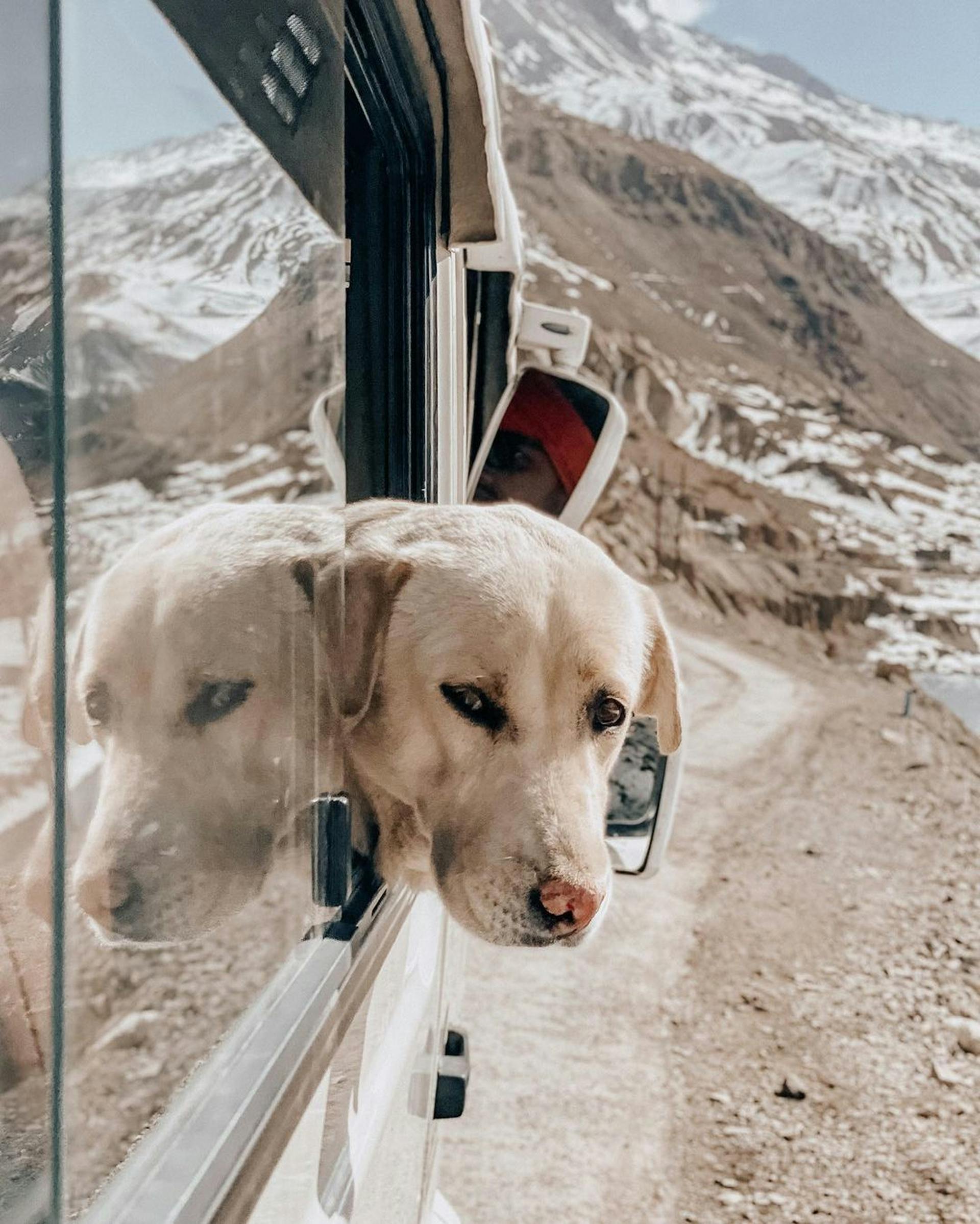
Pets notice everything. The boxes appearing in the hallway, the furniture disappearing, strangers carrying things out of the front door — to a dog or a cat, a move looks like their whole world is being dismantled. It is no surprise that moving is one of the most stressful events in a pet’s life.
The good news is that a little planning goes a long way. Pets do not need the move to be perfect; they need their routines to stay recognisable, a safe place to retreat to, and time to adjust at the other end. This guide covers how to prepare your pet before the move, keep them safe on the day, and help them settle into the new home.
1. Start Preparing Your Pet Before the Move
Preparation should start well before moving day. The simplest step is to keep your pet’s daily routine as steady as you can while the house changes around them. Feed them at the usual times, keep walks and playtimes on schedule, and avoid changing their food or routine at the same time as everything else changes.
If your routine will be different in the new home — a different walk time, for example — shift it gradually, by a few minutes a day, rather than all at once. Sudden changes on top of a move are a lot for an animal to take in. Small, gentle adjustments let your pet adapt without noticing much has changed.
It also helps to get your pet used to the things they will meet on moving day. If your cat will travel in a carrier, leave it out open in the house for a week or two beforehand, with a familiar blanket inside, so it stops being a scary object and becomes a normal part of the furniture. For dogs, a few short practice drives can help if they are not used to travelling. Familiarity takes the edge off the unknown.
2. Create a Safe, Quiet Space for Your Pet
On moving day itself, the best thing you can do for your pet is to give them somewhere calm to be. Choose a quiet room away from the main activity, and set it up as their safe space: their bed, favourite toys, food and water, and something that smells like home. Keep the door closed and put a note on it so nobody opens it by accident and lets the pet out into the chaos.
This keeps your pet relaxed, and it keeps them safe. Open doors, heavy furniture being carried, and people coming and going are a recipe for an escaped cat or a frightened dog bolting out of the front door. If you are using a professional moving service, let the movers know you have pets in the house so they can work around your setup and avoid startling them.
If you have a friend or family member whose home your pet knows well, another good option is to have your pet stay with them for moving day. Some pets are far happier away from the noise entirely, and you can focus on the move knowing they are safe and settled.
3. Pack a Pet Essentials Bag
When you are packing up the house, put together a pet essentials bag before anything else. On moving day, this bag should be the first thing you reach for, not something buried at the bottom of a box.
A useful bag includes a few days’ worth of your pet’s usual food, portioned into sealed bags to keep it fresh, and any medication they take — labelled clearly, ideally on a sticky note tucked in with it so you can find the dose at a glance. Add their favourite toy, a blanket that smells like home, a collapsible water bowl, and the lead or harness for stops along the way. A familiar smell is remarkably calming for a stressed animal, and a favourite blanket can turn a strange car journey into something bearable.
Keep the bag at the top of the car, easy to grab. You will thank yourself later when you arrive at the new house tired, surrounded by boxes, and your pet needs feeding, watering and settling — all without a hunt through the van.
4. Update Your Pet’s Identification
Before you move, make sure your pet can be identified and returned to you if they get lost. Check that the microchip details are up to date with your new address and phone number — you can usually do this on the microchip registry’s website, or by calling your vet. A microchip with an old address is no help at all if your pet goes missing in an unfamiliar area.
Do not forget ID tags, either. Make sure they are clear and readable, with your mobile number so you are easy to reach. Imagine a neighbour finding your curious cat wandering the new street, reading the tag, and calling you — you will have your adventurer back before you know it.
Keep a note of the microchip number, the registry details and your vet’s contact information in your moving-day bag. In a new area, where your pet is still finding its paws, you may need those details sooner than you expect.
5. Travelling with Your Pet
How your pet travels depends on the animal and the distance. Cats and small pets should travel in a secure carrier, lined with a familiar blanket, and kept in a stable spot in the car where it will not slide around. Dogs should be secured with a harness or in a crate, both for their safety and yours.
Keep the car at a comfortable temperature, stop regularly on long journeys for water and toilet breaks, and never leave a pet alone in a parked car. Talk to your pet calmly during the journey — your voice is familiar, and it helps. If your pet is a very anxious traveller, speak to your vet well before moving day; there are options that can help, but they need to be arranged in advance, not on the morning of the move.
6. Let Your Pet Explore at Their Own Pace
When you arrive, resist the urge to show your pet the whole house at once. Start with one room — ideally the one with their bed, food and water — and let them settle there. Once they seem relaxed and are eating and moving around normally, open up the rest of the house bit by bit.
Cats in particular need this gradual approach. Keep them indoors for a period after the move so they learn that the new house is home before they are allowed to roam outside; otherwise they may try to find their way back to the old house. Dogs will usually want to explore more quickly, but keep them on a lead in the garden at first, and check fences and gates for gaps before letting them off.
Watch for signs of stress over the first few days: hiding, loss of appetite, excessive grooming, vocalising, or changes in toileting. Some of this is normal while a pet adjusts, and it usually settles within a week or two. If it persists, or if your pet stops eating or drinking, speak to your vet — it is better to ask early than to wait.
7. Stick to Routines for Stability
Once you are in, routines are your best tool for settling your pet. Feed, walk and play at the same times as before, and keep their bed, bowls and toys in the same sort of places. Predictability is comforting when everything else is new: it gives your pet a slice of normality in the middle of change.
Try to keep an eye on their behaviour as they adjust. A cat giving you the classic side-eye because dinner is late, or a dog waiting by the door for his morning walk, is a pet telling you the routine matters to them. If you need to change the routine, do it gently, a few minutes at a time.
Give them extra patience and attention in the first weeks. Extra cuddles, a bit more play, and a calm voice go a long way. They are figuring out a new world, just like you are.
The Bottom Line
Moving with pets does not have to be hard if you prepare and stay patient. Keep routines steady, give your pet a safe quiet space on moving day, pack their essentials early, and make sure their ID and microchip are up to date. Let them explore the new home slowly, and give them time to settle. Plan ahead, look after what they need, and you will both enjoy discovering the new place together.
