


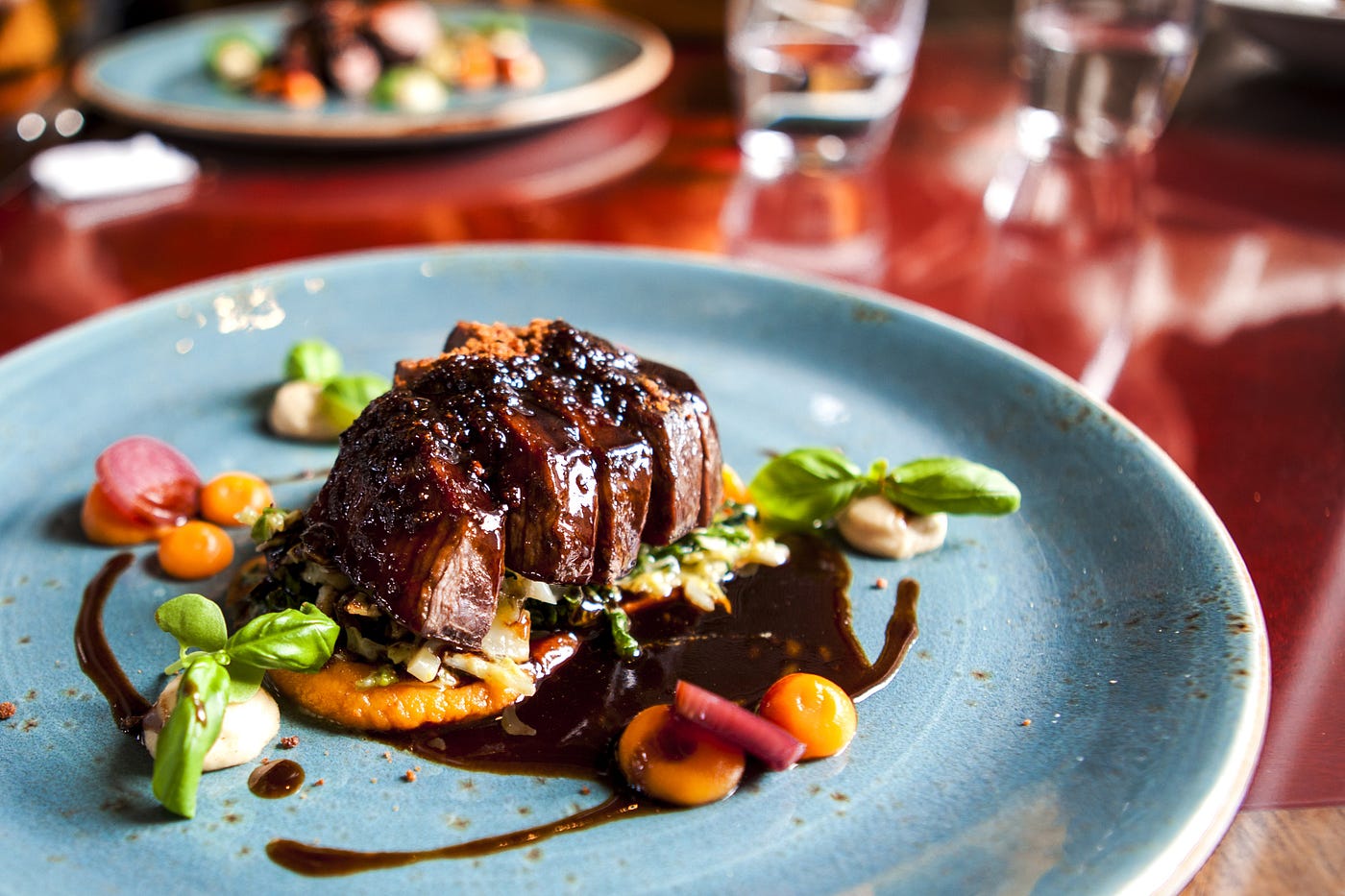
If you walk into a top-tier steakhouse, you might assume the chef sears raw cuts over blazing coals and plates them off the grill with a flourish. That’s often true – but increasingly, behind the scenes, steakhouses are turning to sous vide to guarantee consistency, precision, and operational reliability. The question “do steakhouses use sous vide?” is no longer theoretical. Many already do. Let me explain how and why.
What is sous vide in practice (and why it matters for steak)
Sous vide (French: “under vacuum”) is a method of vacuum-sealing food in a plastic pouch and cooking it in a controlled-temperature water bath. The idea: set the target internal temperature, and the meat will never exceed that. The result: edge-to-edge doneness, consistent texture, less shock to the meat fibers.
For steak, that means you lose less margin for error. If you grill or pan-sear from raw, a few seconds too long or uneven heat zones can push parts of the steak well past the intended doneness. With sous vide, if done correctly, that risk is largely removed. The steak becomes more forgiving in finishing steps (searing, plating) because the interior is already “done.”
Why leading steakhouses are adopting sous vide
Here’s where things shift from “just technique” to business logic.
1. Consistency across shifts and chefs
High-end restaurants must deliver the same perfect steak night after night, regardless of which line cook is working or what the ambient temperature in the kitchen is. Sous vide gives them a reproducible baseline. That means less variation and fewer “oops” moments where steak is undercooked or overcooked. This consistency drives guest satisfaction and reduces complaints.
2. Operational efficiencies and labor savings
Once the steak is vacuum-sealed and in the bath, it requires minimal monitoring. The active time is low. That frees kitchen staff to focus on plating, sides, sauces, and other elements. As one restaurant-industry write-up puts it: “Sous vide methods eliminate much of the active prep time required by line cooks.”
Also, by outsourcing or staging sous vide cooking ahead of time (or using pre-cooked, sous-vide products), restaurants reduce the number of steps (trimming, active cooking, monitoring) they must do in house. That reduces labor costs and mitigates skill variation.
3. Waste reduction and yield preservation
One of the big losses in traditional cooking is shrinkage and moisture escape. When you grill or broil, juices drip off; fat renders and is lost. Steaks get squeezed or prodded during handling; that further squeezes out moisture. Sous vide keeps the meat sealed, so those juices stay in the pouch until you finish it, which means more yield, more flavor, and less spoilage.
Some estimates suggest traditional cooking methods can lose up to 30–40 % from trimming, cook shrinkage, handling, evaporation, etc. Sous vide helps push that loss downward. In a tighter-margin restaurant business, that’s a big advantage.
4. Scheduling flexibility & supply chain resilience
Because sous vide cooking is long and forgiving, you can time the cooking in off-peak hours. A steak can sit in the bath slightly longer without going bad (within reason). That flexibility is valuable in high-volume service. Also, many steakhouses source cuts seasonally or via global supply chains; being able to stock sous-vide-prepared portions with long shelf life helps buffer against fluctuations or shortages. Cuisine Solutions, for instance, offers sous vide steaks that can be frozen for up to 18 months. This lets a restaurant buy ahead, lock in pricing, and avoid last-minute scarcity.
5. Safety, precision, and risk mitigation
When you target a precise internal temperature, you minimize the risk of undercooking (food safety risk) or overcooking. Because the water bath controls temperature and the meat never exceeds it, the chef has more control over safe doneness. For chains or luxury steakhouses with high standards, that safety and reproducibility matter.
How steakhouses implement sous vide steak
If a steakhouse wants to adopt sous vide, here’s a simplified flow:
- Select cut, trim, portion & season
The raw steak is trimmed, portioned, possibly seasoned or marinated before sealing.
- Vacuum-seal in food-grade pouch
Seal so there’s no air (to aid heat transfer and avoid oxidation).
- Immersion in water bath at target temp
For steak this often means somewhere between 120–135 °F, depending on doneness goal. The bath runs for however long is required (often 1–4 hours or more).
- Remove, dry, finish with high-heat sear or grill
Once removed, the steak is dried (to avoid steaming) and seared briefly to generate the crust and Maillard reaction.
- Plating & serving
Because the interior is already cooked precisely, the sear doesn’t risk overshooting inside temperature.
If a steakhouse fails to control these variables, they risk a steak that is overcooked, lacks a proper crust, or has texture issues.
Evidence, scale, and adoption
For steakhouses that emphasize luxury and reliability, sous vide is not just plausible – it’s a differentiator.
Cuisine Solutions offers products like Seared Beef Flat Iron, fully cooked and pasteurized with an extended frozen shelf life. That product can go from frozen → water bath → finish and plate, reducing on-premise risk and labor.
On a macro level, the foodservice world is noticing the trend. Sous vide is moving from fine dining into mainstream foodservice because of consistency, food safety, and efficiency advantages. Many restaurants are integrating sous vide for proteins not just for novelty but as a backbone of dependable operations.
If you’re a steakhouse, you don’t have to build your own sous vide infrastructure or hire thermal-science engineers. Partnering with a supplier like Cuisine Solutions makes sense. Sous vide steak helps restaurants scale excellence because it standardizes the “hard part” of cooking (making sure the inside is perfect) and lets the local team focus on finishing, plating, and guest experience. It reduces variation due to staff skill, environmental factors, or rush-hour pressure. It reduces waste. It delivers better yield. And when disruptions happen, having a reliable sous vide backbone means less scrambling.
Final thoughts
Yes – many steakhouses do use sous vide, or plan to. It is no fad. The method offers real, tangible advantages: consistency across nights and chefs; yield and waste control; scheduling flexibility; and safety. When done badly, sous vide can fail. But with proper equipment, validation, and finishing technique, sous vide helps steakhouses deliver perfect doneness, cut risk, and scale excellence.
If you’re considering whether sous vide should play a role in your steakhouse or upscale restaurant, the answer is pretty compelling: it already is for many.
For more insight into other cooking techniques commonly used in top-tier restaurants, check out How the 30 Second Dental Ritual Upgrades Your Smile.
